What Is a Token in AI? Tokens Explained
A token is the basic unit AI models use to process text. One token is roughly ¾ of an English word, or about 4 characters. When AI companies charge "per million tokens," they're billing for approximately 750,000 words of text.
How Tokens Work
Before an AI model can read or write anything, it breaks text into small pieces called tokens. Think of it like how a spell-checker processes one word at a time — except tokenizers often split words into smaller chunks. With OpenAI's current tokenizer, "understanding" becomes two tokens: "under" and "standing" (see thereal examples below).
This process is called tokenization. Every piece of text you send to an AI — your prompt, instructions, and any context — gets split into tokens before the model processes it. The model's response gets generated one token at a time, too.
Different AI models use different tokenizers, so the exact same text can produce slightly different token counts depending on the model. GPT, Claude, and Gemini each have their own tokenizer. However, the ratio of roughly 0.75 words per token (or 1.33 tokens per word) holds well across all of them for typical English text.
Numbers, code, and non-English text tend to use more tokens per word. A line of code averages about 10 tokens, and the same sentence can take noticeably more tokens in Hindi or Japanese than in English.
Real Examples: How Text Splits Into Tokens
These splits come from running OpenAI's o200k_base tokenizer (used by GPT-4o through GPT-5.x) on each example. Common words stay whole; rare words, numbers and code break into pieces.
A · marks a space — tokenizers usually attach the space to the start of the next word.
The same question in five languages
Tokenizers split some languages into more pieces than others, so the same meaning can cost more to process in one language than another. One question, counted with the same tokenizer:
| Language | Sentence | Tokens | vs English |
|---|---|---|---|
| English | How many tokens are in this sentence? | 8 | 1× |
| Spanish | ¿Cuántos tokens hay en esta frase? | 9 | 1.1× |
| Hebrew | כמה טוקנים יש במשפט הזה? | 9 | 1.1× |
| Hindi | इस वाक्य में कितने टोकन हैं? | 12 | 1.5× |
| Japanese | この文にはトークンがいくつありますか? | 13 | 1.6× |
One sentence is only an illustration — ratios vary with the text. Count your own with thetoken counter.
What Does 1 Million Tokens Look Like?
A million tokens is the standard billing unit for AI APIs. Here's what that actually looks like in terms you can picture:
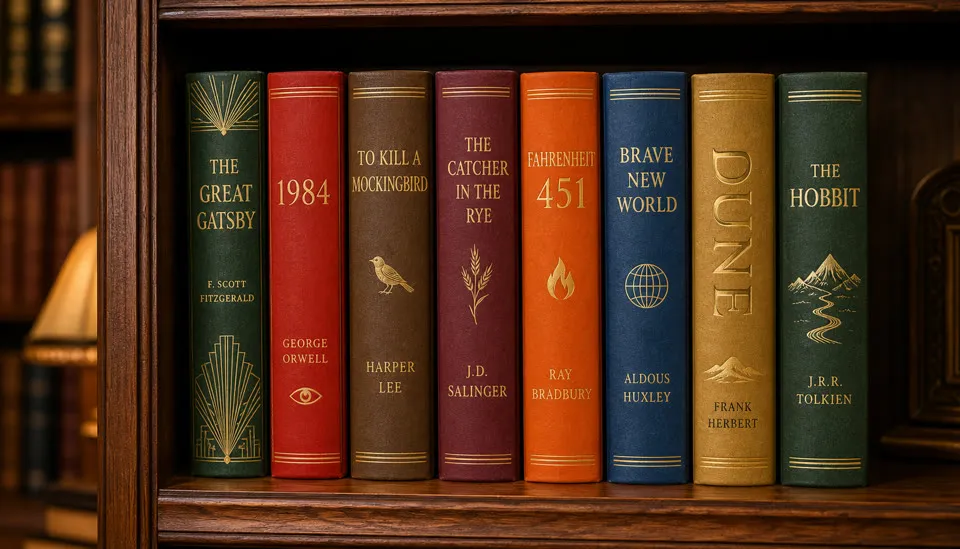
1 spine = 1 novel
≈ 8 novels
average novels
A typical novel runs about 90,000 words (~120,000 tokens), so a million tokens holds roughly eight of them.
basis: 90,000 words per novel
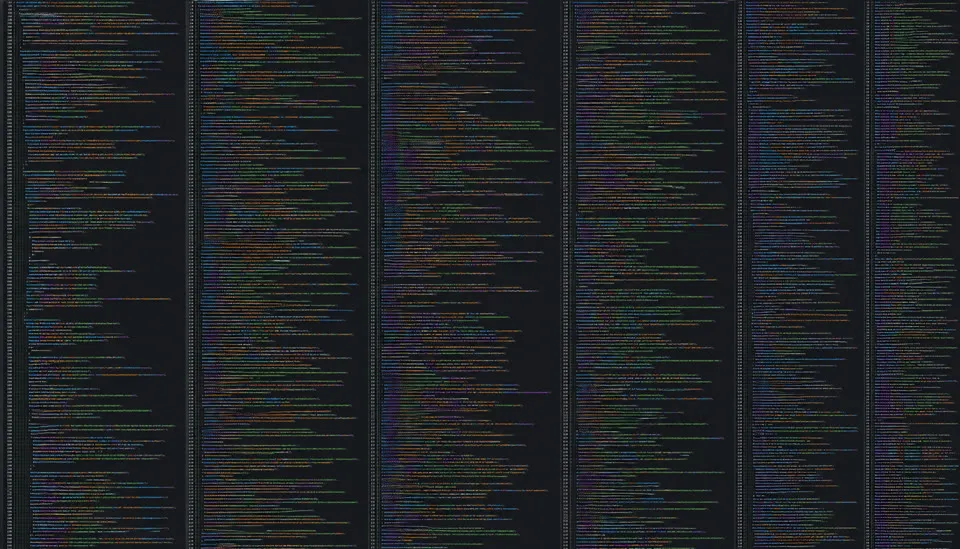
1 block = 100 lines of code
≈ 100,000 lines of code
lines of source code
Code averages roughly 10 tokens per line, so a million tokens is about 100,000 lines — nearly twice the original Doom engine (~57,000 lines).
basis: ~10 tokens per line
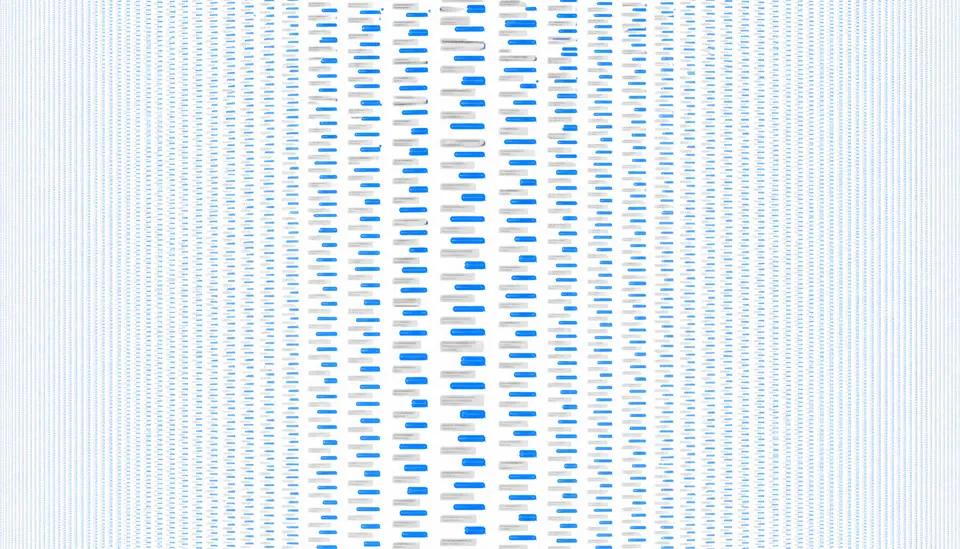
1 block = 25 messages
≈ 75,000 chat messages
chat messages
A typical text message is about 10 words (~13 tokens). A million tokens is over six years of texting at 30 messages a day.
basis: ~13 tokens per message
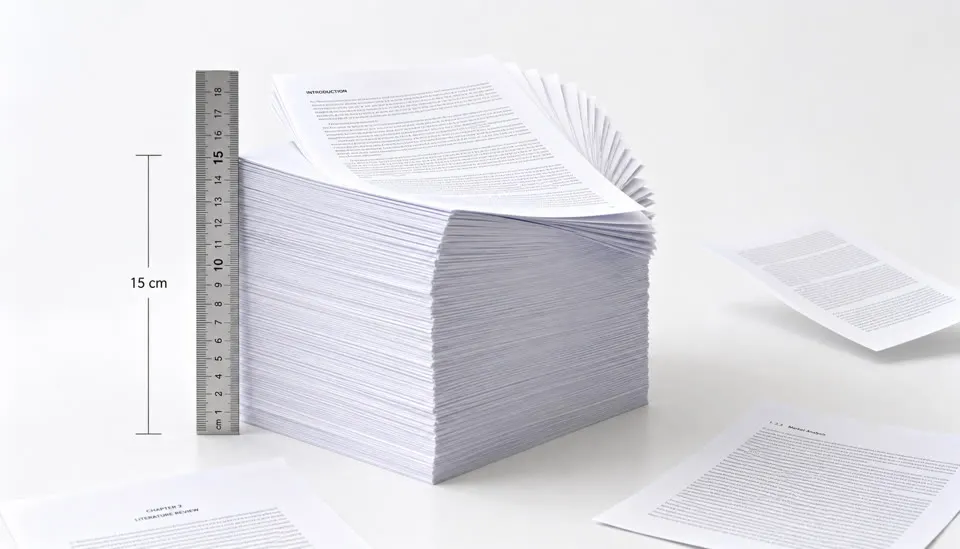
1 block = 1 page
≈ 1,500 pages
single-spaced pages
At about 500 words per single-spaced page, 750,000 words fills roughly 1,500 pages — a stack of paper about 15 cm (6 in) tall.
basis: 500 words per page
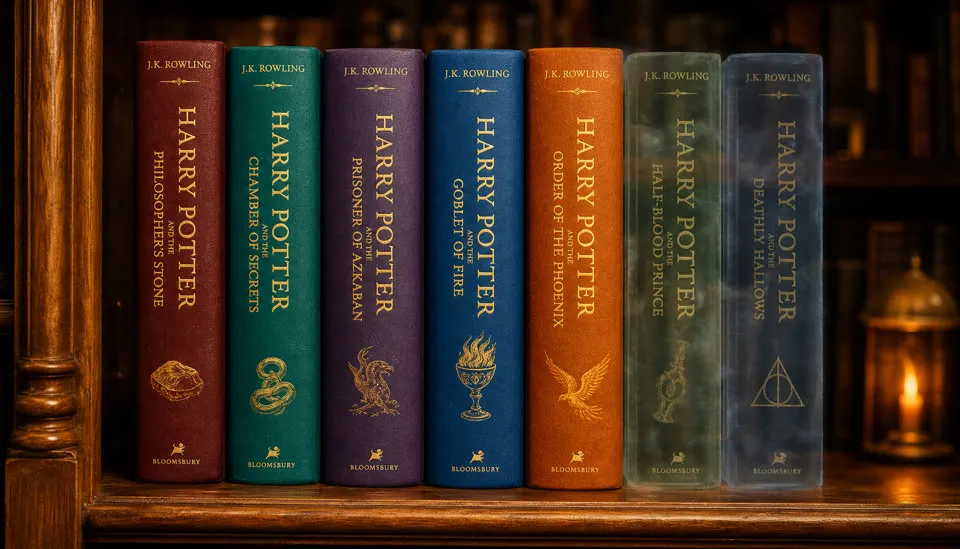
the 7 books — filled part = 1M tokens
≈ 69% of Harry Potter
of the complete 7-book series
The full Harry Potter series is 1,084,170 words — about 1.45 million tokens. A million tokens gets you past Order of the Phoenix and into the early chapters of Half-Blood Prince.
basis: Series total 1,084,170 words
Every estimate shows its assumption. See all 16 comparisons on the main page →
How Much Do Tokens Cost?
AI companies charge separately for input tokens(what you send) and output tokens (what the model writes back). Output always costs more — typically 3–6× more — because generating text requires far more computation than reading it.
Here's what a few popular models charge per million tokens:
| Model | Input / 1M tokens | Output / 1M tokens |
|---|---|---|
| Claude Sonnet 5 | $2 | $10 |
| GPT-6 Sol | $2 | $10 |
| Claude Haiku 4.5 | $1 | $5 |
| Gemini 3.8 Flash | $0.75 | $3.75 |
Prices range from $0.10 to $50 per million tokens — a huge spread. See all model prices →
Token Calculator
Want to estimate how much your specific use case will cost? Use our calculator to pick a model, set a budget, and see exactly how many words, pages, or lines of code that buys.
To see how many tokens a specific piece of text uses, paste it into the token counter. It counts GPT tokens exactly and estimates Claude and Gemini, with the cost on every model.
Frequently Asked Questions
- How many tokens is 1 word?
- On average, one English word is about 1.33 tokens. This varies by word length and the specific tokenizer — short common words like "the" or "is" are usually one token, while longer or rarer words get split into multiple tokens.
- How many tokens is 1 page?
- A single-spaced page of text (about 500 words) is roughly 670 tokens. A double-spaced page (~250 words) is about 335 tokens.
- Why do AI companies charge per token?
- Tokens provide granular, usage-based billing. Instead of charging flat fees, per-token pricing means you only pay for what you actually use — whether that's a single sentence or an entire novel. It also reflects the real computational cost: processing more text requires more compute.
- Are tokens the same across different AI models?
- Similar, but not identical. Each model family (GPT, Claude, Gemini) uses its own tokenizer, so the same text produces different counts. Tokenizers also change between generations: Anthropic says the tokenizer for Claude 4.7 and later models produces about 30% more tokens for the same text than its previous one. The 1 token ≈ 0.75 English words rule of thumb is still a good planning estimate.
- What's the difference between input and output tokens?
- Input tokens are what you send to the model — your prompt, instructions, and any context. Output tokens are what the model writes back — its response. Output tokens cost 5–8× more than input tokens on current models because generating text is far more computationally expensive than reading it.