The scale — input tokens
How much can an AI read with a million tokens?
Input tokens are what you send to the model — documents, code, images, conversations. Here's what a million of them looks like.
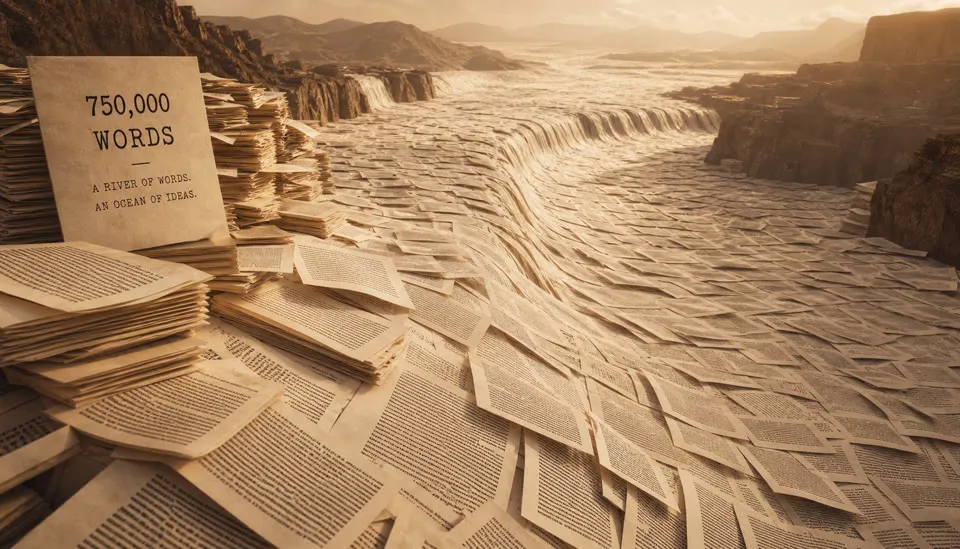
1 block = 750 words
≈ 750,000 words
English words
On average one token is about ¾ of an English word, so a million tokens works out to roughly three quarters of a million words.
basis: 1 token ≈ 0.75 words
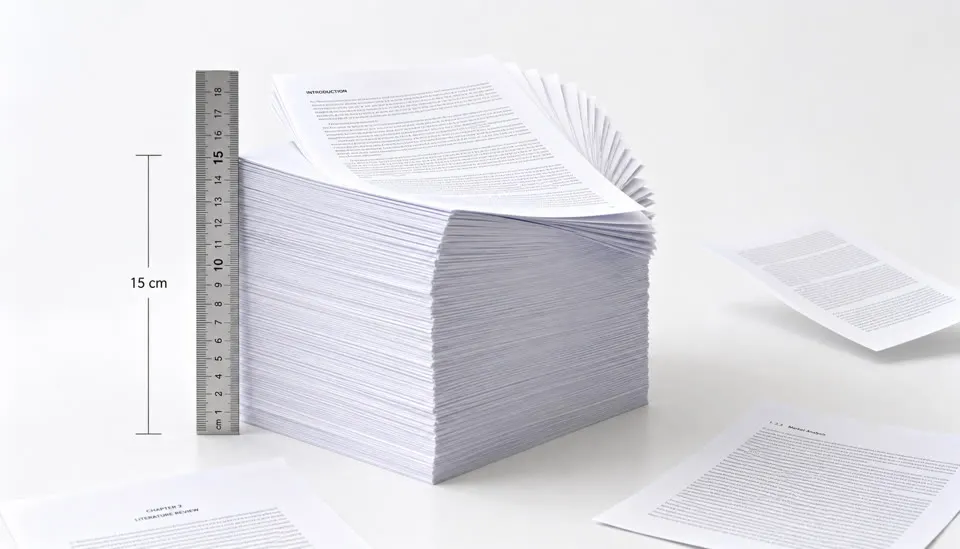
1 block = 1 page
≈ 1,500 pages
single-spaced pages
At about 500 words per single-spaced page, 750,000 words fills roughly 1,500 pages — a stack of paper about 15 cm (6 in) tall.
basis: 500 words per page

1 block = 4,000 characters
≈ 4,000,000 characters
characters of text
One token is roughly 4 characters of English text, so a million tokens is about 4 million characters — enough to fill 8,000 standard text messages.
basis: 1 token ≈ 4 characters

1 block = 10 paragraphs
≈ 10,000 paragraphs
paragraphs of text
An average paragraph is about 75 words (~100 tokens). A million tokens is roughly 10,000 paragraphs — a library of essays.
basis: ~75 words per paragraph

1 block = 50 sentences
≈ 50,000 sentences
sentences
The average English sentence is about 15 words (~20 tokens). A million tokens is roughly 50,000 sentences.
basis: ~15 words per sentence
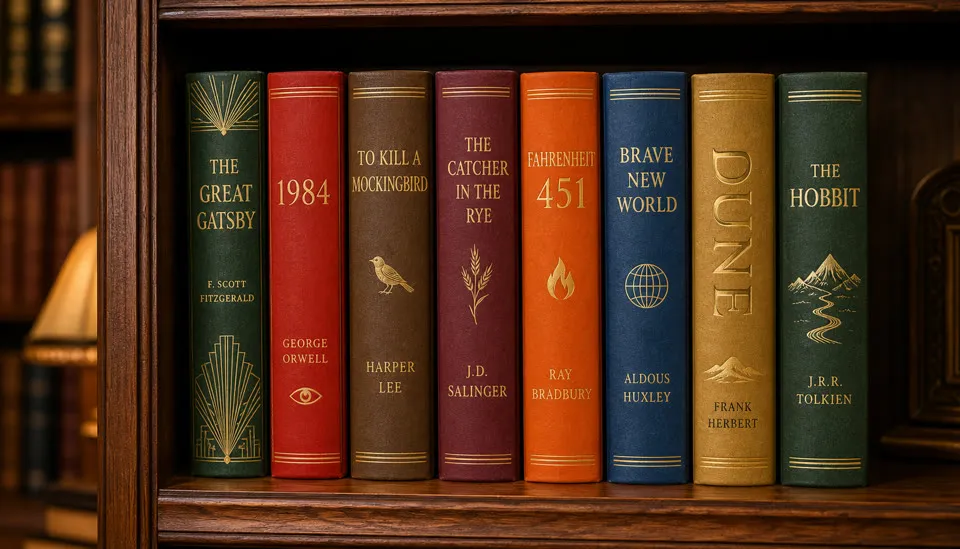
1 spine = 1 novel
≈ 8 novels
average novels
A typical novel runs about 90,000 words (~120,000 tokens), so a million tokens holds roughly eight of them.
basis: 90,000 words per novel
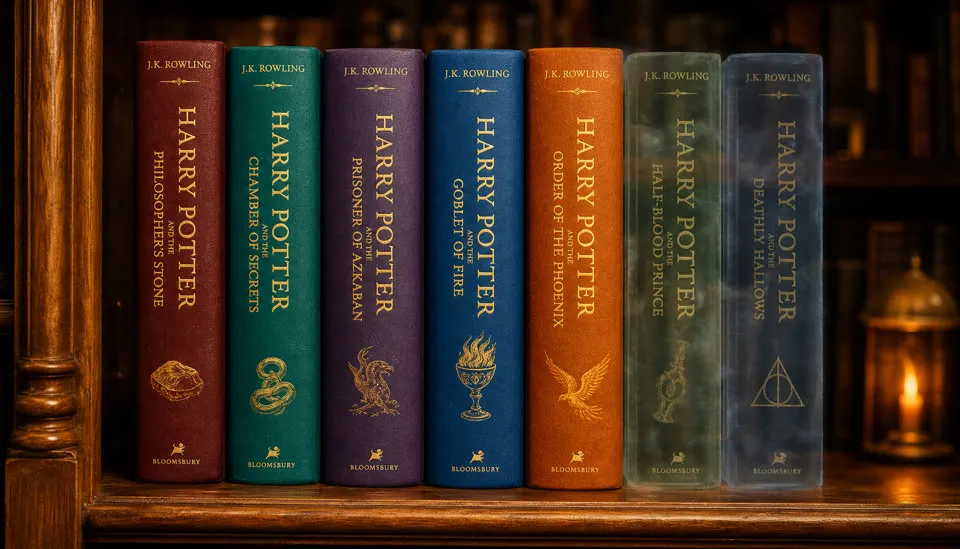
the 7 books — filled part = 1M tokens
≈ 69% of Harry Potter
of the complete 7-book series
The full Harry Potter series is 1,084,170 words — about 1.45 million tokens. A million tokens gets you past Order of the Phoenix and into the early chapters of Half-Blood Prince.
basis: Series total 1,084,170 words
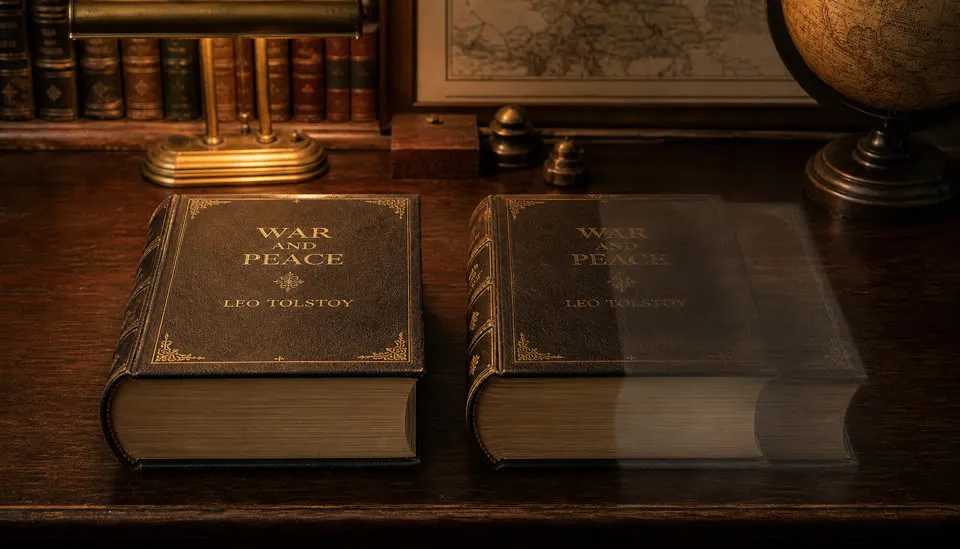
2 copies — filled part = 1M tokens
≈ 1.3 × War and Peace
copies of War and Peace
Tolstoy’s epic is about 587,000 words in English translation (~780,000 tokens). A million tokens covers it with room for a second read of the first third.
basis: 587,000 words per copy
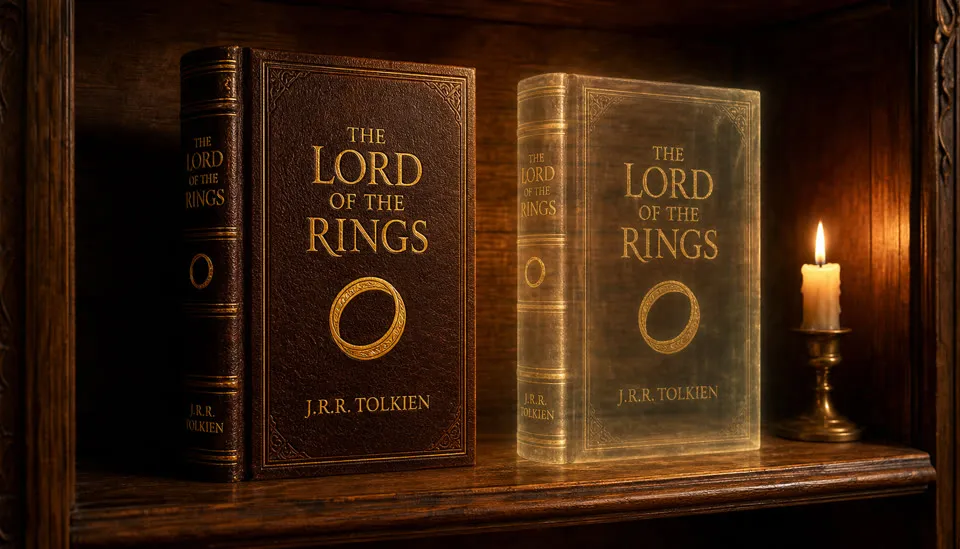
2 copies — filled part = 1M tokens
≈ 1.6 × Lord of the Rings
copies of the trilogy
Tolkien's trilogy is about 481,000 words (~641,000 tokens). A million tokens covers the full trilogy with room for more than half a reread.
basis: 481,000 words (trilogy without appendices)
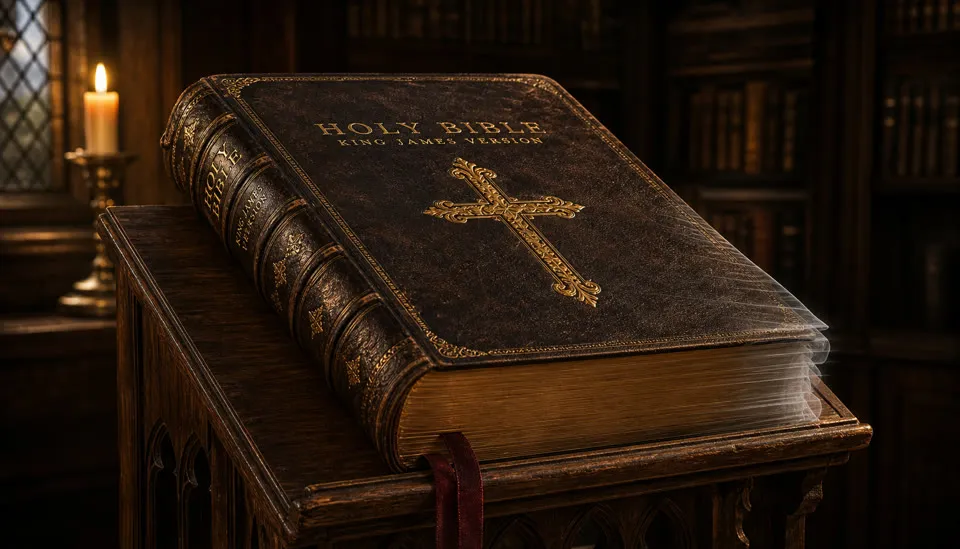
1 Bible — filled part = 1M tokens
≈ 96% of the Bible
of the King James Bible
The King James Bible is about 783,000 words (~1.04 million tokens). A million tokens gets you through almost the entire text — falling just short at Revelation.
basis: 783,137 words (KJV)
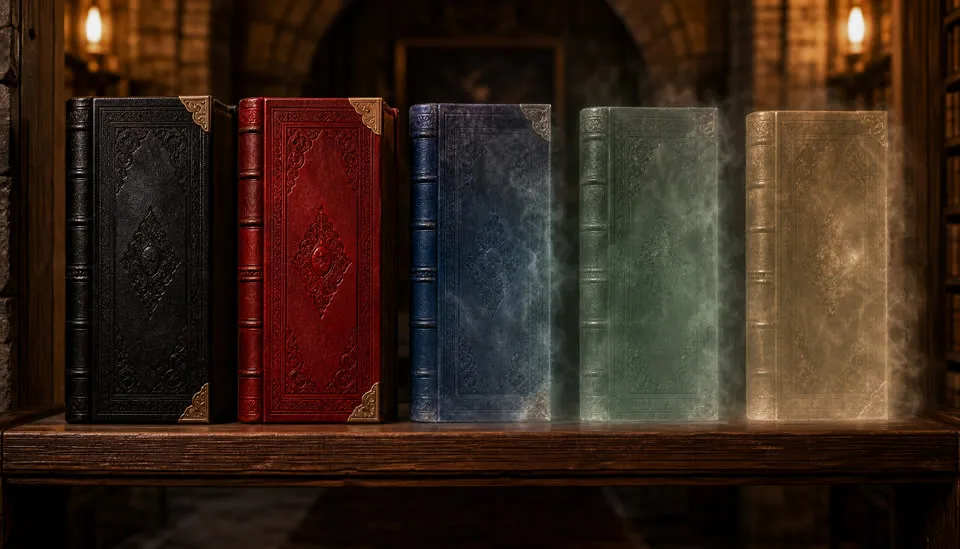
the 5 books — filled part = 1M tokens
≈ 42% of Game of Thrones
of the 5 published ASOIAF books
George R.R. Martin's A Song of Ice and Fire is about 1,770,000 words (~2.36 million tokens). A million tokens covers the first two books and about 30% of A Storm of Swords.
basis: 1,770,000 words (5 published books)
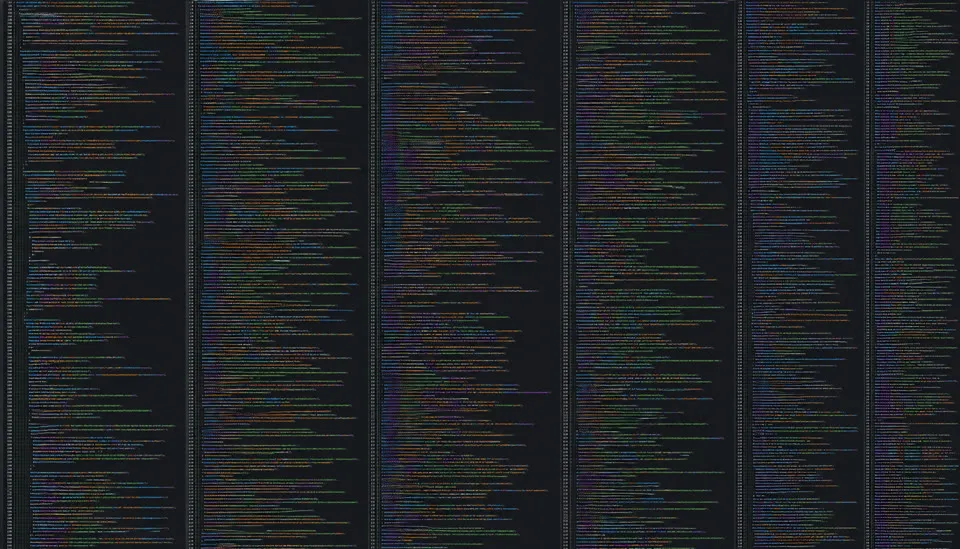
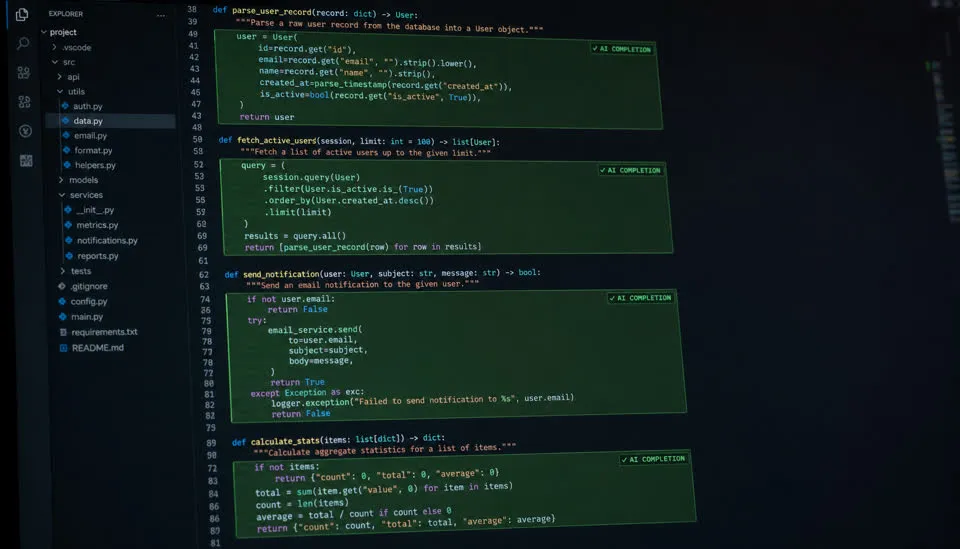
1 block = 100 lines of code
≈ 100,000 lines of code
lines of source code
Code averages roughly 10 tokens per line, so a million tokens is about 100,000 lines — nearly twice the original Doom engine (~57,000 lines).
basis: ~10 tokens per line

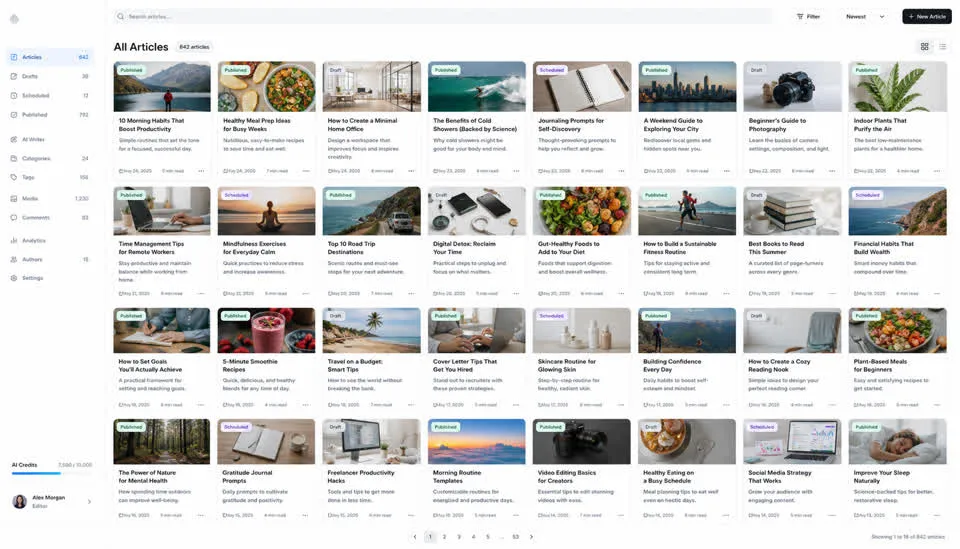
1 tile = 1 image
≈ 1,000 images
detailed images analyzed
Vision models spend roughly 800–1,600 tokens to read one detailed image, so a million tokens lets a model look at about a thousand photos or screenshots.
basis: ~1,000 tokens per image
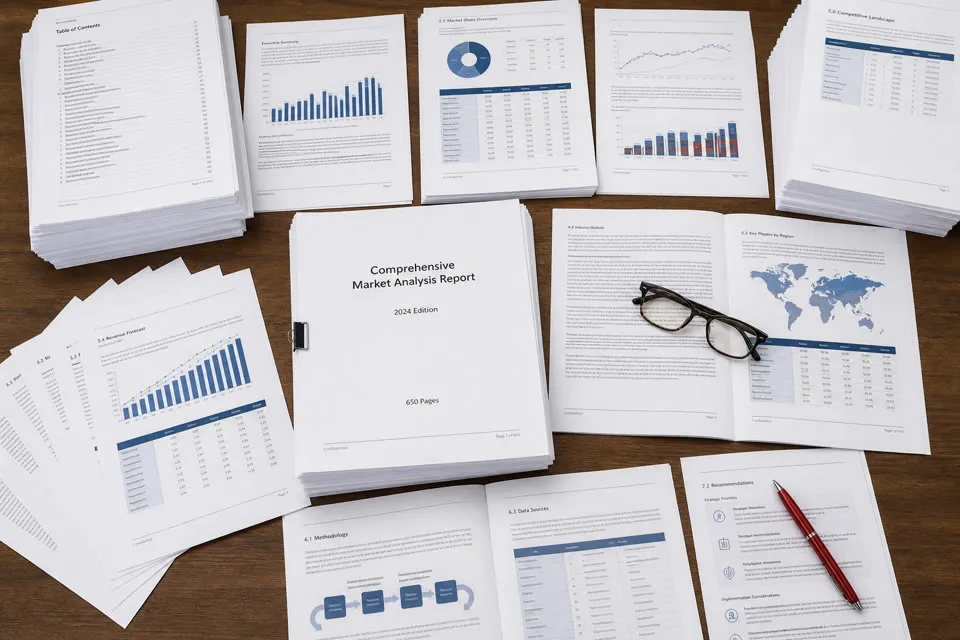
1 block = 1 PDF page
≈ 650 PDF pages
visually-processed PDF pages
When a model reads a PDF page as both text and image (preserving layout, tables and figures), each page costs ~1,500 tokens. Text-only extraction is cheaper: ~2,000 pages per million tokens. For example, the IPCC AR6 Synthesis Report (81-page Longer Report, often cited as 85 pages) is about 121,500 tokens, so a million-token model could read it roughly 8 times over.
basis: ~1,500 tokens per page with layout
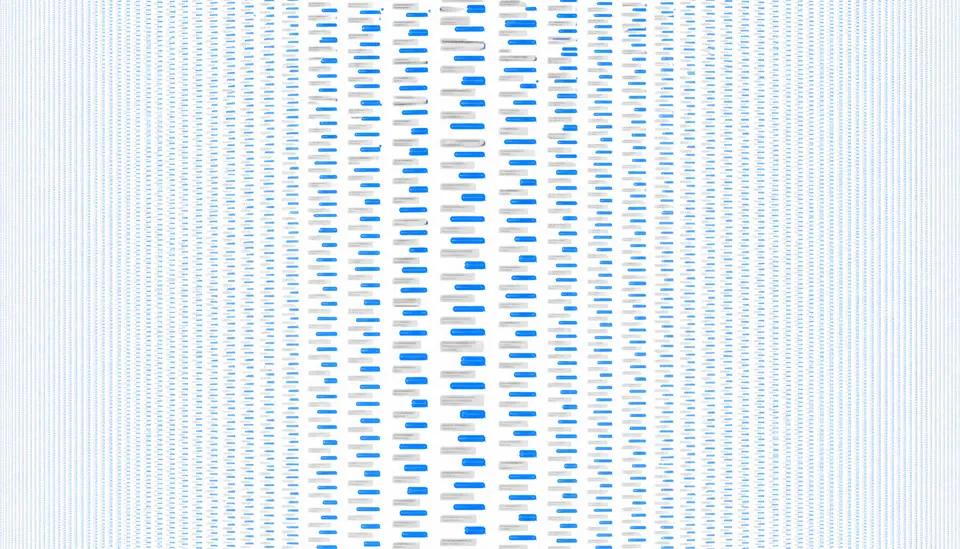
1 block = 25 messages
≈ 75,000 chat messages
chat messages
A typical text message is about 10 words (~13 tokens). A million tokens is over six years of texting at 30 messages a day.
basis: ~13 tokens per message
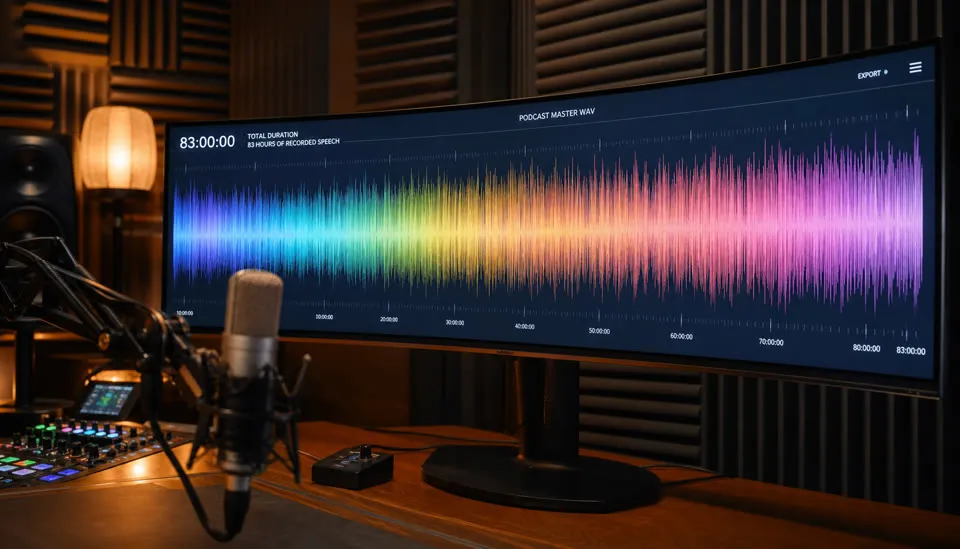
1 bar = 1 hour of talking
≈ 83 hours of speech
hours of transcribed speech
People speak about 150 words per minute (~200 tokens/min), so a million tokens transcribes about 83 hours — three and a half days of non-stop talking.
basis: 150 words per minute
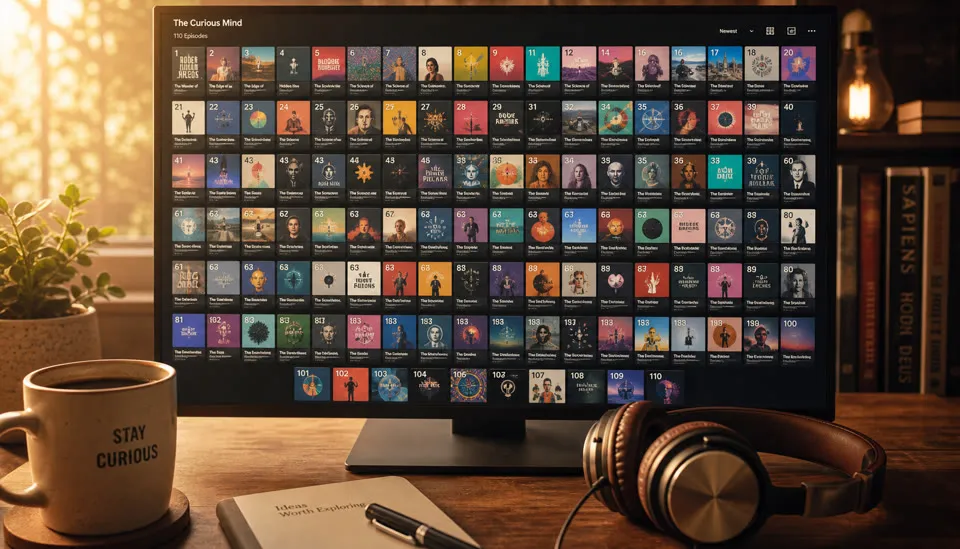
1 block = 1 episode
≈ 110 podcast episodes
45-minute episodes
At ~9,000 tokens per 45-minute episode transcript, a million tokens holds about 110 episodes — a full year of a weekly show, twice over.
basis: 45 min per episode, 150 wpm
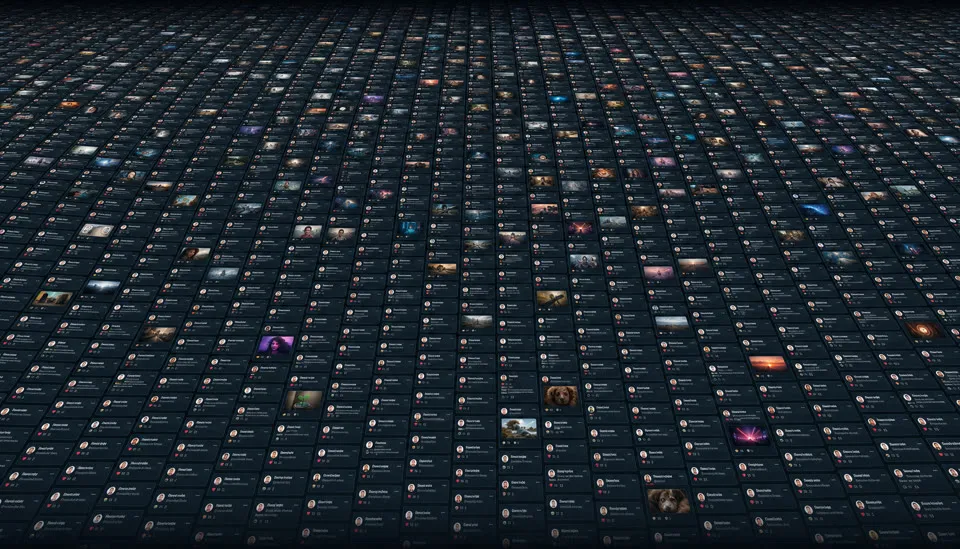
1 block = 10 posts
≈ 14,000 max-length posts
280-character posts
A maxed-out 280-character post is about 70 tokens, so a million tokens is roughly 14,000 of them — about 10 years of posting four times a day.
basis: 280 chars ≈ 70 tokens
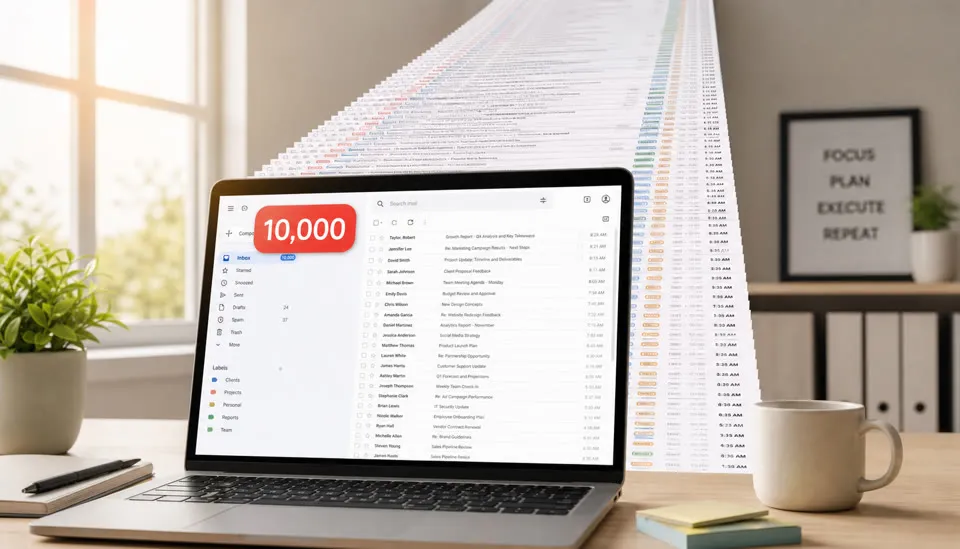
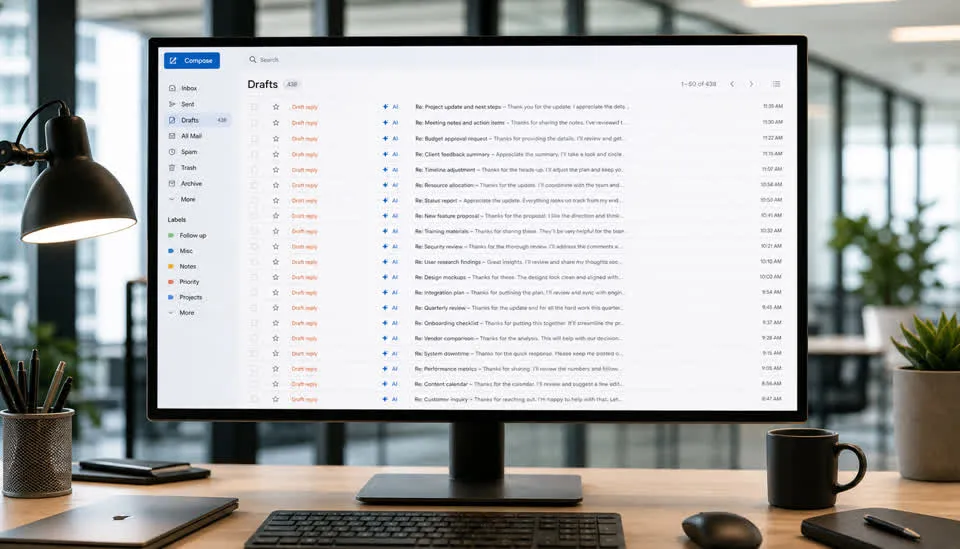
1 block = 10 emails
≈ 10,000 work emails
typical work emails
The average work email body runs about 75 words (~100 tokens). A million tokens is ten thousand of them — several years of a busy inbox.
basis: ~100 tokens per email
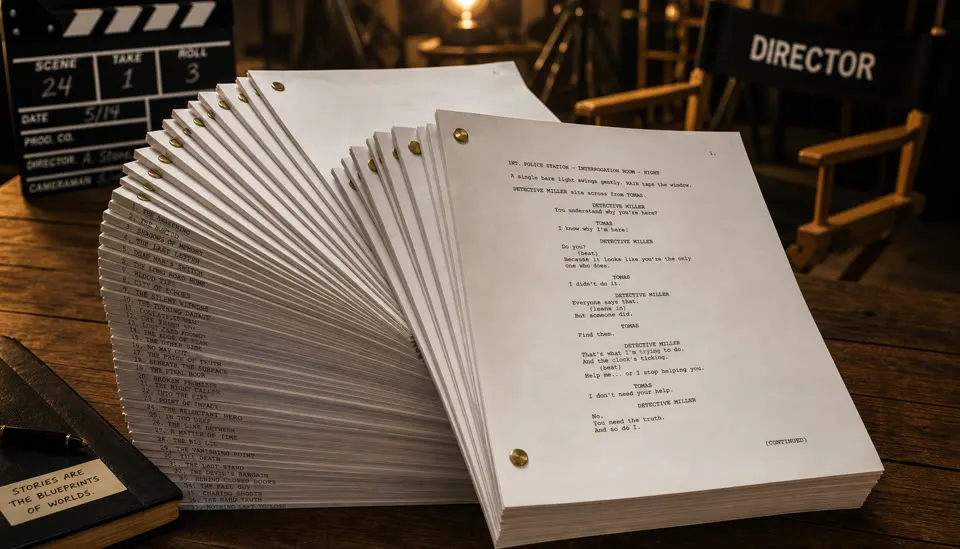
1 spine = 1 screenplay
≈ 37 movie screenplays
feature-film screenplays
A feature screenplay is around 20,000 words (~27,000 tokens), so a million tokens holds about 37 movies’ worth of scripts.
basis: 20,000 words per screenplay
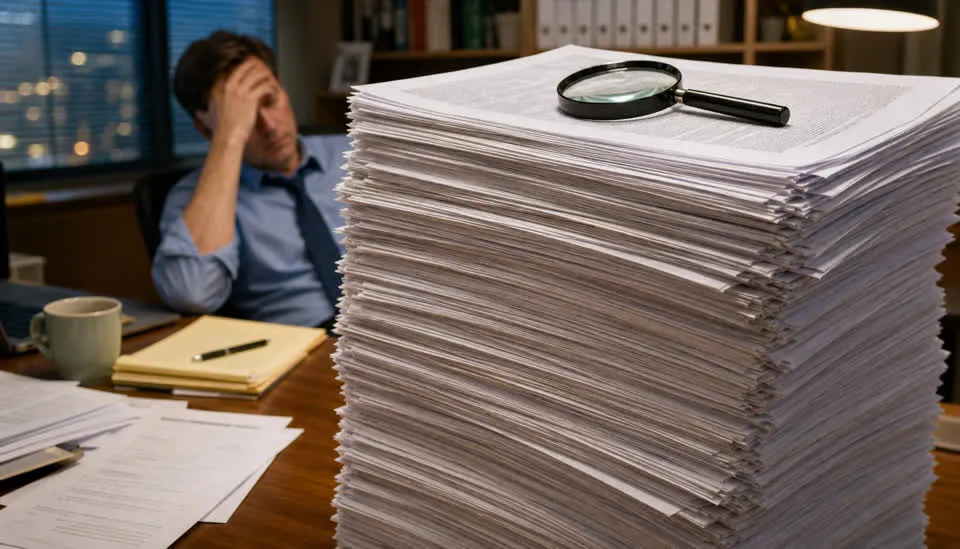
1 block = 1 T&C agreement
≈ 125 Terms & Conditions
Terms & Conditions agreements
The average social media Terms & Conditions is about 6,000 words (~8,000 tokens). A million tokens is 125 of them — still less than what you've blindly agreed to this year.
basis: ~6,000 words per T&C

1 block = 10 manuals
≈ 15,000 IKEA manuals
IKEA instruction manuals
An IKEA manual averages about 50 words of actual text (~67 tokens) — they're mostly pictures of confused stick figures. A million tokens is 15,000 of them. You'd still build the shelf wrong.
basis: ~50 words per manual
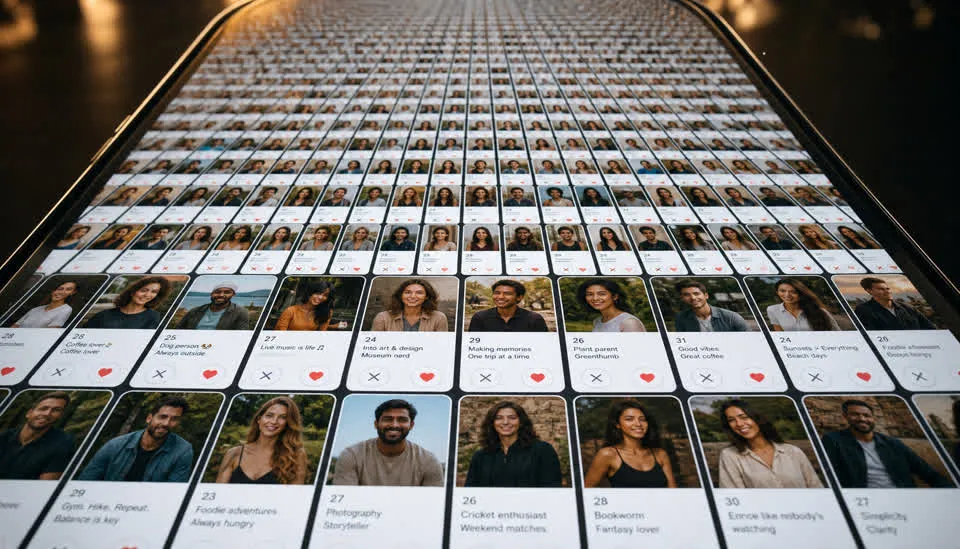
1 block = 10 bios
≈ 50,000 Tinder bios
dating app bios
The average dating profile bio is about 15 words (~20 tokens) — mostly "love to travel" and dog photos. A million tokens is 50,000 of them. That's a lot of swiping.
basis: ~15 words per bio
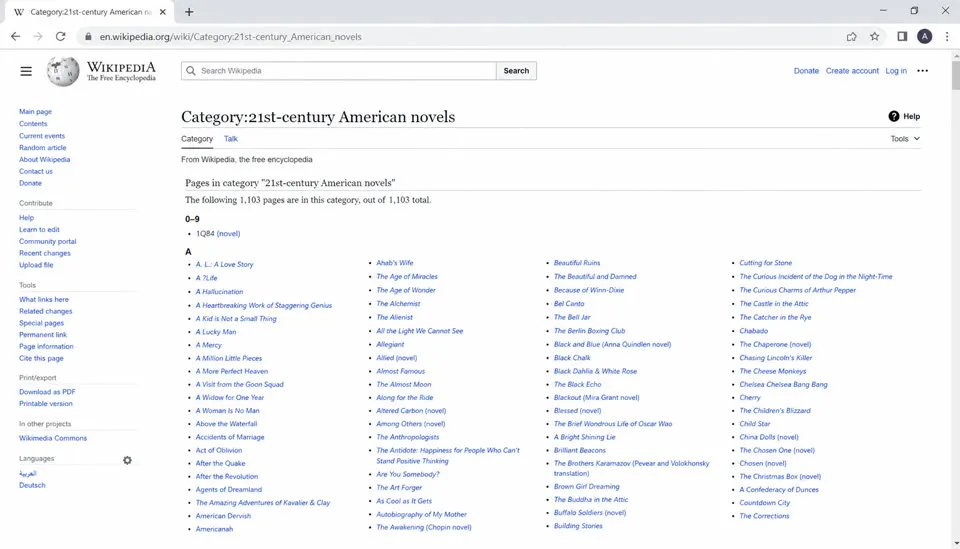
1 block = 1 article
≈ 1,000 Wikipedia articles
average Wikipedia articles
The average Wikipedia article is about 725 words (~970 tokens), so a million tokens is roughly a thousand articles of general knowledge.
basis: ~725 words per article
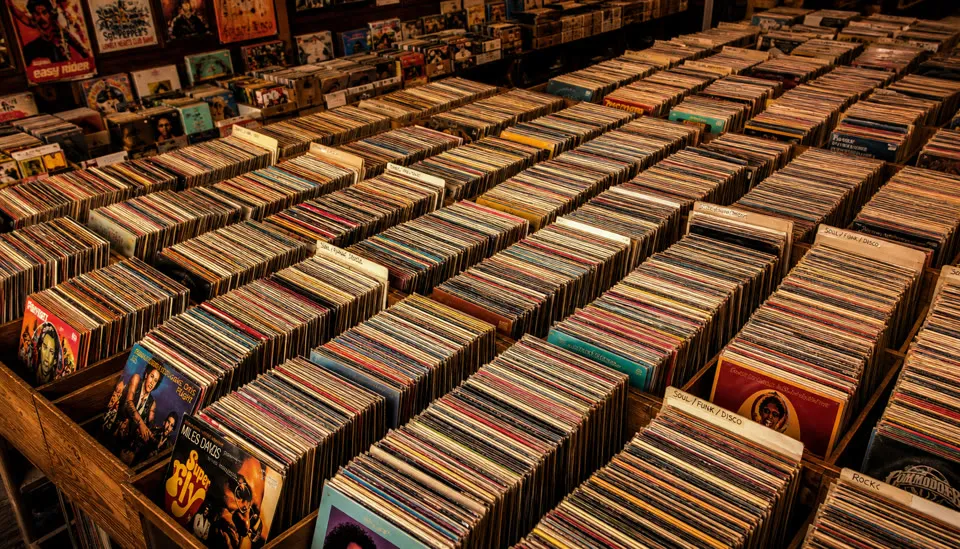
1 bar = 2 songs
≈ 2,500 songs
songs’ worth of lyrics
Song lyrics average ~300 words (~400 tokens), so a million tokens is the lyrics to about 2,500 songs — over six days of continuous music.
basis: ~300 words per song